Serving Riverbank, CA and surrounding areas. (209) 719-2309
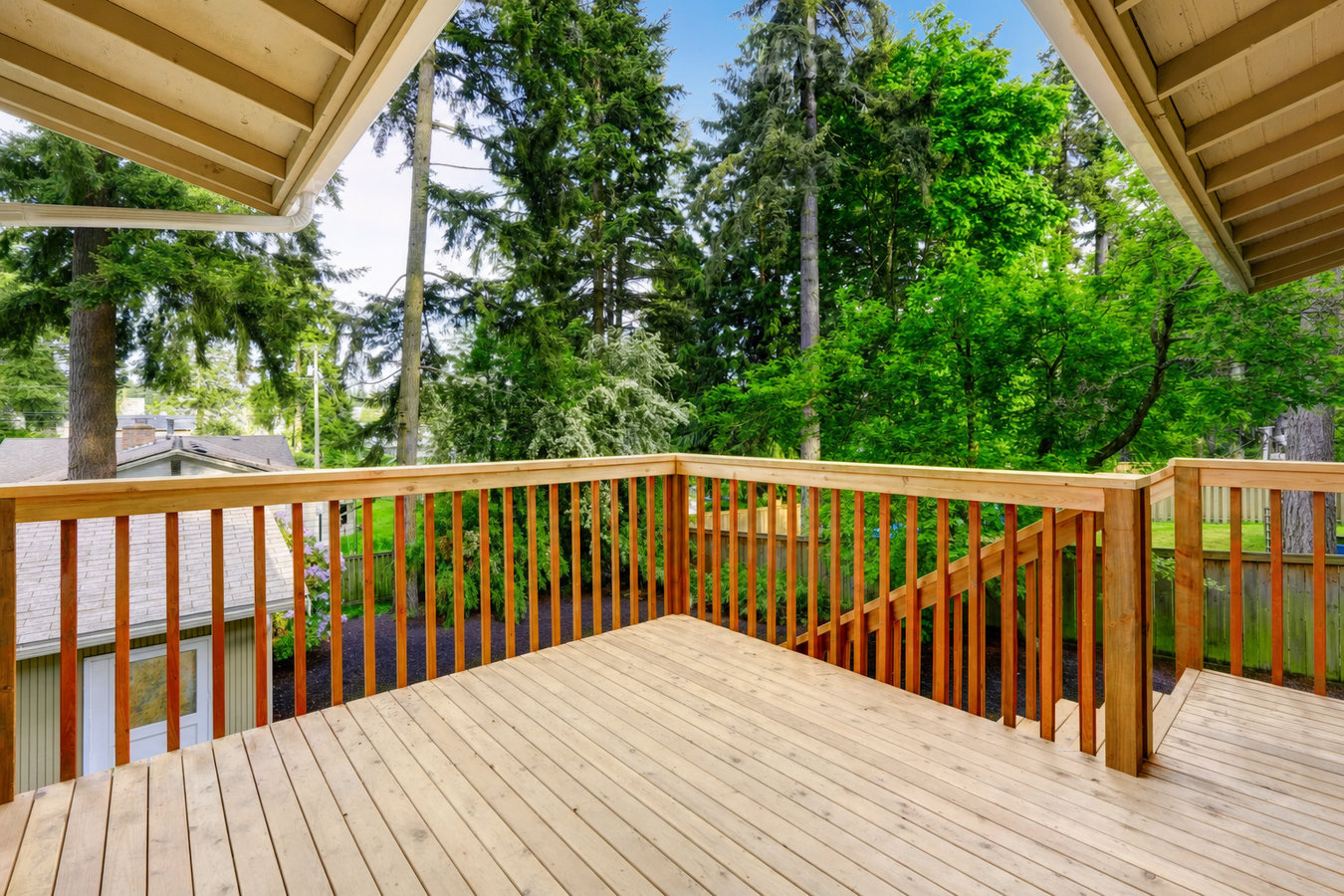
A loose or aging railing is a safety problem, not just a cosmetic one. We install wood, composite, and aluminum railings in Riverbank, CA - with permits handled, posts anchored correctly, and hardware chosen for the Central Valley climate.
Deck railing installation in Riverbank, CA covers new railing on raised decks, full replacement of aging wood systems, and post-only repairs where the structure is still sound - most single-level projects are installed in one day once City of Riverbank permits are in hand, with the total timeline from first call to final inspection running two to four weeks.
Railings are required by California building code on any deck surface that sits 30 inches or more off the ground - so for most raised decks in Riverbank, a railing is not optional. The real question is whether your current railing is doing its job. A railing that wobbles when you push on it firmly has a post attachment problem that does not get better on its own. A lot of Riverbank's housing stock dates from the 1990s, when the city grew quickly, and decks from that era are now at or past the age when original wood railings commonly fail. If you are thinking about a new multi-level deck, keep in mind that each elevated platform will require its own compliant railing system.
Material selection matters more in Riverbank than in cooler parts of California. Wood railings need consistent sealing and staining to survive the combination of 100-degree summers and the persistent moisture from Central Valley tule fog in winter. Composite and aluminum options require much less seasonal upkeep. A good contractor will walk you through the tradeoffs based on your actual maintenance preferences, not just what costs least upfront. The American Wood Council's deck construction guide covers post attachment and baluster spacing standards that every reputable installer follows.
Stand at the railing and push firmly with both hands. If it shifts, wobbles, or makes a creaking sound, the posts are no longer secure. This is the clearest sign that the railing is not doing its job - and it is a safety issue, not just a cosmetic one. A railing that wobbles needs attention before the deck is used again.
After years of Riverbank's intense summer heat and winter fog cycles, wood railings often show deep cracks along the grain or start to separate at the joints. If you can see daylight through a joint that used to be tight, or the wood feels soft when you press on it, the railing has likely reached the end of its useful life.
Tule fog and seasonal moisture in the Central Valley work their way into post bases and hardware connections over time. Orange rust streaks on metal connectors, or dark discoloration at the bottom of wood posts, are early signs that the structural connections are weakening - even if the railing still feels solid today. Catching this early is much cheaper than waiting until a post fails.
If your deck sits 30 inches or more off the ground and has no railing - perhaps because the original one was removed and never replaced - you are out of compliance with California building requirements and the deck is genuinely unsafe for guests, children, and anyone who steps near the edge. Installation in this case is not optional.
Wood is the most familiar option and tends to come in at the lower end of the cost range - it suits homeowners who like the traditional look and are comfortable with periodic maintenance. Composite railing gives you a similar appearance without the upkeep cycle, which matters in Riverbank where summer heat and winter fog put more stress on outdoor wood than most homeowners expect. Aluminum is the most durable low-maintenance choice, with no painting, staining, or sanding required over the life of the railing. All three material types require a City of Riverbank building permit for installation or full replacement, and all three must meet California height and baluster spacing requirements - standards the custom deck design and build process incorporates from the start when we are also building the platform.
For homes with railings from the 1990s or early 2000s, a full replacement is often more cost-effective than patching individual components - especially if the posts are showing signs of corrosion or rot at the base. A free on-site estimate will tell you quickly whether a targeted repair or a full replacement makes more sense for your specific situation.
Best for homeowners who prefer the natural look of wood and are willing to do periodic sealing or staining every two to three years to keep it in good shape in Riverbank's climate.
Best for homeowners who want a wood look without the maintenance - composite rails and balusters resist fading, cracking, and warping better than natural wood in the Central Valley heat.
Best for low-maintenance, long-lasting performance - aluminum does not rot, rust, or require painting, making it a strong choice for Riverbank's heat and tule fog conditions.
Best for decks from the 1990s or earlier where post connections have corroded or loosened - replacing the full system rather than patching individual components is often the safer, more cost-effective long-term approach.
Riverbank's climate creates conditions that are harder on outdoor railings than in most of California. Summer temperatures regularly climb above 100 degrees Fahrenheit, drying out and cracking wood faster than homeowners expect. Then, from roughly November through February, the Central Valley's tule fog settles in for days at a time - keeping surfaces damp and slowly working moisture into post bases and hardware connections. A contractor who works regularly in the San Joaquin Valley understands both sides of that cycle and specifies hardware accordingly. You can verify any contractor's California license in seconds through the California Contractors State License Board.
The city's permit and inspection process also adds a layer of protection that benefits homeowners long after the contractor has left. Because Riverbank issues permits locally through its own Building Division, an inspector verifies that post attachment, railing height, and baluster spacing all meet current code before the job is officially complete. We serve homeowners throughout the area, including Ceres and Salida, and we follow the same permit-and-inspect process at every job site regardless of city. The North American Deck and Railing Association provides industry standards that responsible installers use as a baseline for quality and safety.
Tell us how high your deck is, roughly how many linear feet of railing you need, and whether you have a material preference. We reply within one business day and schedule a free on-site visit - it is hard to give an accurate number without seeing the deck in person.
We measure the railing run, check the condition of the existing deck frame and posts, and discuss your material and style preferences. If your neighborhood has HOA requirements, we factor those in before finalizing anything. A written quote follows, with permit fees included.
For most full railing installations or replacements in Riverbank, we pull a building permit through the City of Riverbank Building Division before work begins. This step usually takes a few business days to a couple of weeks. We handle it entirely - you do not need to contact the building department.
The crew removes any existing railing, sets new posts anchored to the deck frame, then installs the top rail and balusters. Most single-level deck railing projects are finished in one full day. After installation, we schedule the city inspection - typically a 15-to-30-minute visit - and walk you through the finished railing before we leave.
Free on-site estimate. Written quote with permit fees included. We will tell you exactly what we see and what it will cost - no obligation.
(209) 719-2309Corrosion-resistant fasteners and properly sealed post bases are not optional in Riverbank's climate - they are what keep post connections solid through years of summer heat and winter fog moisture cycles. We specify hardware for local conditions, not just what meets a generic minimum requirement.
We pull all required City of Riverbank building permits before any work begins and schedule the required inspection when installation is complete. You receive documentation confirming the work was inspected and approved - which matters when you eventually sell your home.
A railing that wobbles within a year of installation has a post attachment problem, not a material problem. We focus on how posts are anchored to the deck frame because that is what determines whether a railing is solid for ten years or ten months. When we are done, we demonstrate it to you directly.
Several Riverbank neighborhoods have HOA guidelines specifying acceptable railing materials, colors, or styles. We ask about your HOA at the estimate visit - not after installation - so you are never in the position of having to modify brand-new work because the association was not consulted first.
Deck railing installation looks simple from the outside, but the quality difference between a railing that is still solid in ten years and one that starts wobbling in two comes down entirely to how the posts are anchored and what hardware is used at the connections. That matters even more with cable railing for decks, where cable tension puts steady pressure on every post. Those details are where we focus, and they are what your city inspector checks too.
Replacing the railing on an aging deck and finding the framing needs work too? Our custom deck design and build service covers complete rebuilds with your choice of materials.
Learn MoreAdding a new level to your existing deck? Every new platform elevation requires code-compliant railings - we handle both the deck framing and the railing installation as one project.
Learn MoreRailing installation slots in Riverbank fill up quickly once the weather turns. Call today or request a free on-site estimate to get on the schedule before the summer rush.